
Controlling Relationships
Crisis Response, Support & Advocacy, Long Term Healing & Recovery
Supporting women, children, families/whanau in the Christchurch and Canterbury community since 1986.
Spotting A Controlling Partner
Spotting a controlling partner may not always be easy. While some exhibit overtly menacing behaviour, others resort to subtle manipulation. It could start with an intense interest in your life and a desire to spend all their time with you.
However, this need for control can become unhealthy. Insecurity and anxiety often drive controlling behaviour. Instead of using healthy coping mechanisms, these individuals seek control over their surroundings to ease their discomfort.
When we think of a controlling partner, we may envision someone who dictates our every move and appearance. But controlling relationships are often more complex than that. It is common to find ourselves in an emotionally abusive relationship without recognizing the signs.
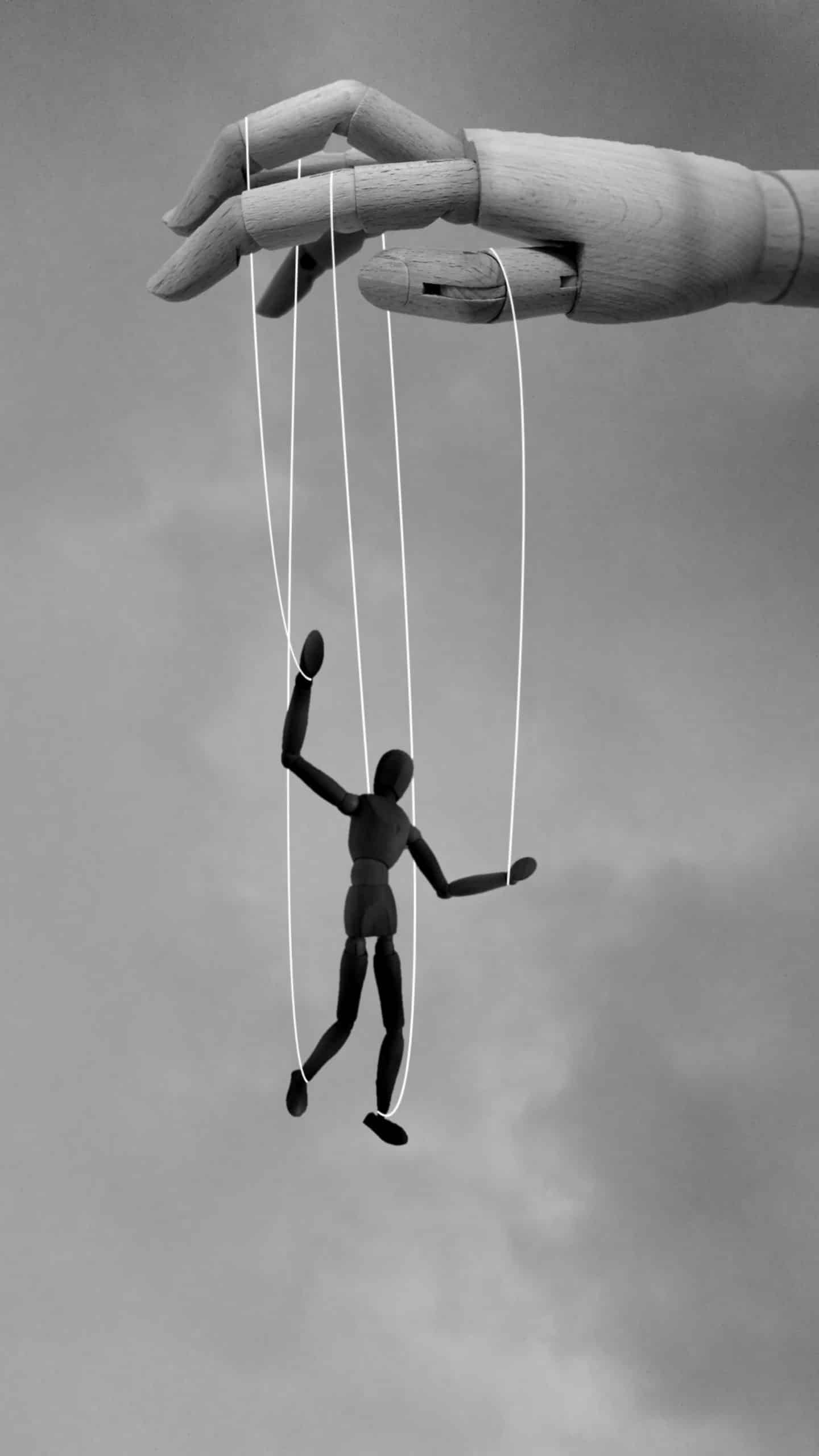
At its core, a controlling relationship is built upon a power imbalance. One partner dominates the other, instilling fear, insecurity, or guilt. These feelings can manifest through physical, emotional, sexual, financial, spiritual, or psychological means.
Here are some indicators of a control-based relationship:
1. Your partner dislikes being excluded from your plans. They do not respect your need for personal time and continuously contact you when you are not together.
2. You are shamed for spending time with loved ones. Your partner may appear loving and wanting to spend time with you, but they are controlling if they discourage or undermine your relationships with family and friends.
3. There are frequent accusations of jealousy. Controlling individuals often accuse their partners of flirting or cheating, projecting their insecurities onto them.
4. Your partner invades your privacy. Regardless of the length of your relationship, you should always have boundaries and privacy. If your partner checks your personal messages, calls, or belongings without permission, they do not respect those boundaries.
5. You are constantly criticized. Controlling partners belittle and undermine your self-confidence, both privately and publicly. They focus on highlighting your flaws and making you feel self-conscious.
6. You are made to feel guilty for their emotions. Controlling partners blame their feelings on you, using you as a scapegoat and portraying themselves as the victim even in unrelated situations.
7. Your partner distorts your experiences. Through a manipulative tactic called “gaslighting,” they twist the truth or manipulate your emotions to make you question your own reality. For example, if you react to their hurtful actions, they might convince you that you don’t understand or are oversensitive.
Knowing these signs can help you recognize and navigate a controlling relationship. Prioritizing your well-being and seeking support in such a situation is crucial.

Learn More About Controlling Relationships and How To Recognise Them
If you are interested in having our trained facilitator come to your school, tertiary environment or workplace to present our Red Flag and Trust Your Gut Instinct Workshop, contact us to discuss how we can work with your time frame.R
We run our workshops all over Canterbury as we believe empowering people with knowledge to live in a non-controlling or abusive relationship is vital for the whole community.